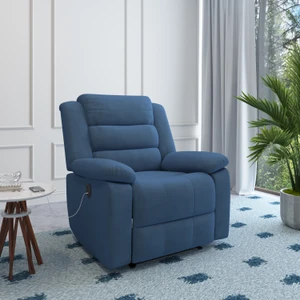
Every well-designed living room has one thing in common: a clear focal point. More often than not, that focal point is the sofa. It's the largest piece of furniture in the room, the one guests naturally gravitate toward, and the anchor that everything else — your rug, your coffee table, your lighting — has to work around. Get the sofa right, and the rest of the room tends to fall into place.
Before you fall in love with a color or fabric, think about proportion. A large L-shaped sofa can overwhelm a compact apartment living room, while a small two-seater can look lost in a spacious hall. As a general rule, your sofa should occupy no more than two-thirds of the wall it sits against, leaving enough breathing room for side tables, floor lamps, or a console behind it.
Once you've chosen your sofa, treat its color as the starting point for your entire palette — not an afterthought. A neutral sofa in beige, grey, or ivory gives you the freedom to experiment boldly with cushions, throws, and wall art each season. A bold statement sofa, on the other hand — think deep emerald velvet or rich mustard — works best when the rest of the room stays intentionally quiet, letting the sofa do the talking.
The most inviting living rooms mix textures deliberately: a woven jute rug under a smooth leather sofa, linen cushions against a velvet frame, or a wooden coffee table paired with metal accent legs. This contrast is what makes a space feel curated rather than showroom-flat. If your sofa fabric is already textured, balance it with sleeker, simpler pieces around it.
A common styling mistake is choosing a rug that's too small. For a balanced look, the front legs of your sofa should sit comfortably on the rug — floating furniture on a tiny rug island makes the whole arrangement feel disconnected. If budget allows, size up rather than down.
Your sofa isn't just viewed head-on. Think about how it looks from the entryway, from the dining area, even from a hallway. Adding a slim console table behind a sofa that floats in the middle of a room, or styling the back cushions neatly, ensures it looks intentional from every direction — not just the one facing the TV.
A sofa is a long-term investment, both financially and visually. Choosing one that suits your space's scale, then building color, texture, and layout decisions around it, is the simplest way to make an entire room feel professionally designed — without needing to change much else at all.
Start With Scale, Not Just Style
Before you fall in love with a color or fabric, think about proportion. A large L-shaped sofa can overwhelm a compact apartment living room, while a small two-seater can look lost in a spacious hall. As a general rule, your sofa should occupy no more than two-thirds of the wall it sits against, leaving enough breathing room for side tables, floor lamps, or a console behind it.
Let It Set the Color Story
Once you've chosen your sofa, treat its color as the starting point for your entire palette — not an afterthought. A neutral sofa in beige, grey, or ivory gives you the freedom to experiment boldly with cushions, throws, and wall art each season. A bold statement sofa, on the other hand — think deep emerald velvet or rich mustard — works best when the rest of the room stays intentionally quiet, letting the sofa do the talking.
Layer With Texture, Not Just Color
The most inviting living rooms mix textures deliberately: a woven jute rug under a smooth leather sofa, linen cushions against a velvet frame, or a wooden coffee table paired with metal accent legs. This contrast is what makes a space feel curated rather than showroom-flat. If your sofa fabric is already textured, balance it with sleeker, simpler pieces around it.
Anchor It With the Right Rug
A common styling mistake is choosing a rug that's too small. For a balanced look, the front legs of your sofa should sit comfortably on the rug — floating furniture on a tiny rug island makes the whole arrangement feel disconnected. If budget allows, size up rather than down.
Don't Forget the View From Every Angle
Your sofa isn't just viewed head-on. Think about how it looks from the entryway, from the dining area, even from a hallway. Adding a slim console table behind a sofa that floats in the middle of a room, or styling the back cushions neatly, ensures it looks intentional from every direction — not just the one facing the TV.
Final Thought
A sofa is a long-term investment, both financially and visually. Choosing one that suits your space's scale, then building color, texture, and layout decisions around it, is the simplest way to make an entire room feel professionally designed — without needing to change much else at all.
Inspired By This Design Article?
Bring bespoke artisanal handcrafted seating balance directly into your living room environment today.
Explore Lounge Collection